5 lessons a 55 kill Fortnite solo vs squads run teaches about winning fights outnumbered
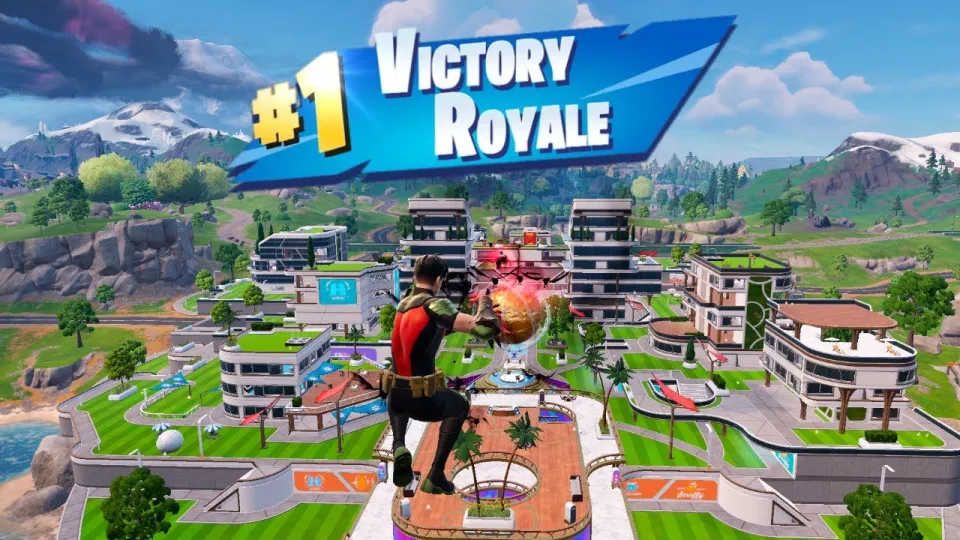
Video: 55 Kill Solo Vs Squads Wins Gameplay Full Game (Fortnite Chapter 6 Season 3 Ps4 Controller)
Want articles like this for your own video to promote it on YouTube and Google? Order them through the Telegram bot @sat_sit_bot. It writes articles around your video, embeds the video and publishes them on popular niche websites (no ads). Your first 50 articles are free.
· based on the channel KingJoe83
Fortnite solo vs squads is a mode where one player queues alone against teams of up to four, and the fastest way to improve at it is to copy the habits of players who already win those fights. KingJoe83's full-game run on a PS4 controller in Chapter 6 Season 3, built around a 55 kill target, is a useful case study because it shows the whole match rather than a highlight reel. The five lessons below come from that run and from what viewers keep asking about it.
Why solo vs squads is the best Fortnite training mode
Solo vs squads forces you to solve problems that ordinary solos never create. When four players push at once, you cannot simply out-duel one opponent and reset; you have to separate the group, use cover, and finish knocks before the revive happens. That pressure is exactly why high kill solo vs squads gameplay is so watchable: every engagement is a small puzzle with a bad default outcome.
The mode also punishes lazy habits faster than solos do. A player who relies on one good aim duel will get traded immediately, and a player who loots too long will meet a fully kitted squad. If you want a Fortnite game that trains decision-making, rotations and target priority at the same time, this is it.
Control the first fight before you chase the kill count
The opening minutes decide how the rest of a high kill run feels. A 55 kill pace does not come from dropping into the busiest named location and hoping; it comes from landing where you can get a weapon, shields and a clean angle before the first squad rotates in. On a controller, that means picking a spot with short sightlines you can hold and doorways you can pre-aim.
- Land close to a squad but not on top of it, so you choose when the fight starts.
- Secure a shotgun and a mid-range option before you take a long-range poke.
- Take the first knock from an angle the team cannot all see at once.
- Push immediately after the knock, because a squad that has time to heal turns one kill into four problems.
- Leave the area once the fight is done instead of looting bodies in the open.
Viewers watching this kind of run often assume the aim is the whole story. It is not: the first kill in each fight is usually a positioning win that happens before a single shot is fired.
Break squads apart instead of fighting all four at once
The core skill in solo vs squads is turning a 1v4 into four separate 1v1s. Squads win by stacking damage on one target, so your job is to make sure only one enemy can see you at a time. Walls, rocks, hills and building edits all do the same thing: they cut the number of guns pointed at you.
A practical way to train this is to treat every fight as a sequence. Knock one player from cover, then move sideways rather than forward, because the remaining teammates will pre-aim the spot where their friend went down. Use the confusion to take a second angle, and only commit to a full push when the squad is down to one or two players who are still healing. This is also where a controller player can compete: short, precise bursts at close range beat long tracking sprays when the enemy team is split.
Aim consistency is what separates a 20 kill game from a 55 kill game
The most repeated reaction to this run is about shot accuracy and how the crosshair stays on target. That is not luck, it is a repeatable setup. Controller aim in Fortnite rewards a stable sensitivity, a reticle that is already at head height before the shot, and short controlled bursts instead of holding the trigger through a whole magazine.
- Pick one sensitivity and stop changing it every session; muscle memory needs weeks, not matches.
- Keep your crosshair on the likely peek point while you move, not on the floor.
- Use aim assist as a tool for tracking, not as a substitute for pre-aim.
- Practise in short daily blocks rather than one long session a week.
The larger point from a full Fortnite gameplay run is that accuracy holds up over 20-plus minutes only if the player manages stamina and doesn't take every fight at half health.
Manage the lobby clock, not just the kill feed
A full solo vs squads game is a race between your kill pace and the storm. Chasing every fight on the map is how high kill attempts die at 30 kills, because rotations get longer and third parties arrive fresher. The better pattern is to work the edge of the safe zone, let squads rotate into you, and keep a vehicle or mobility item for the moments when the circle forces a move.
Healing matters as much as damage here. Carry enough shields to reset after each squad, and treat a full heal as part of the fight rather than downtime. Players who watch these runs and try to copy them often report that the kills look easy while the recovery between fights is invisible; in practice, the reset is what makes the next engagement possible.
What the viewer questions about this run actually reveal
Comments on the video cluster around a few honest doubts: how anyone tracks targets that consistently, whether the pace is realistic for a normal player, and whether the end of the Star Wars season changed how the mode plays. Those questions are worth answering directly, because they point at the gap between watching a high kill Fortnite video and reproducing it.
The first answer is that the run is a full game with mistakes in it, not a cut highlight package, which is why it is more useful than a montage. The second is that the kill count is the outcome, not the plan: the plan is one controlled fight at a time. The third is that loot pool shifts after a themed season ends do change which weapons are worth carrying, so the habits that transfer are positioning, target priority and reset discipline rather than one specific gun.
Final takeaway from the 55 kill solo vs squads run
A 55 kill solo vs squads game is not built on one miracle fight; it is built on five repeatable habits: choosing the first engagement, splitting squads, keeping aim consistent, managing the storm clock and resetting properly between fights. KingJoe83's full-match footage on a PS4 controller in Chapter 6 Season 3 is a good reference point because it shows the boring parts too, and those boring parts are where most players lose the run. Watch it once for the kills and a second time for the rotations, the heals and the moments when a fight is declined. That second viewing is where the improvement actually comes from.
Key takeaways
- KingJoe83's video is a full solo vs squads match on a PS4 controller in Fortnite Chapter 6 Season 3, built around a 55 kill target.
- Solo vs squads means one player against teams of up to four, so every fight is a numbers disadvantage unless it is broken up.
- Viewer comments single out aim consistency and target tracking as the standout skills on display.
- The channel's own pinned comment celebrates the end of the Star Wars season, marking a shift in the Chapter 6 Season 3 loot pool.
- The run is a full game, not a highlight reel, so rotations, healing and resetting between fights matter as much as the kills.
Source: 55 Kill Solo Vs Squads Wins Gameplay Full Game (Fortnite Chapter 6 Season 3 Ps4 Controller) · Markdown version
Questions & answers
What does solo vs squads mean in Fortnite?
It means queuing into a match alone while the rest of the lobby plays in teams of up to four. You face a numbers disadvantage in every fight, so the mode rewards splitting enemy teams, using cover and finishing knocks quickly.
Is a 55 kill solo vs squads game realistic for an average player?
Not immediately. A kill count that high comes from years of repetition, a stable sensitivity and disciplined rotations. Most players should aim for small, measurable gains such as winning more 1v2 fights or surviving longer after the first engagement.
Does playing on a PS4 controller hold you back in Fortnite?
A controller is competitive in close and mid-range fights, especially with steady aim and good pre-aim. The bigger limits are usually frame rate and input lag on older hardware, which is why keeping the sensitivity consistent matters more than the device itself.
Why does the end of a themed season like the Star Wars one matter for gameplay?
Themed seasons bring special weapons and items that change which fights are worth taking. When that loot leaves the pool, the map and the meta shift, so skills like positioning, target priority and healing discipline transfer better than any single weapon preference.